Chronicle & Origins — 1912 to Modern Day
The Inception of Somercotes' Electric Palace
In late 1912, amidst the humming coalfields and ironworks of industrial Derbyshire, The Premier Electric Theatre opened its doors at 90 Nottingham Road. It stood as a beacon of modernity and communal gathering, offering working-class families their very first glimpse into moving picture wonders.
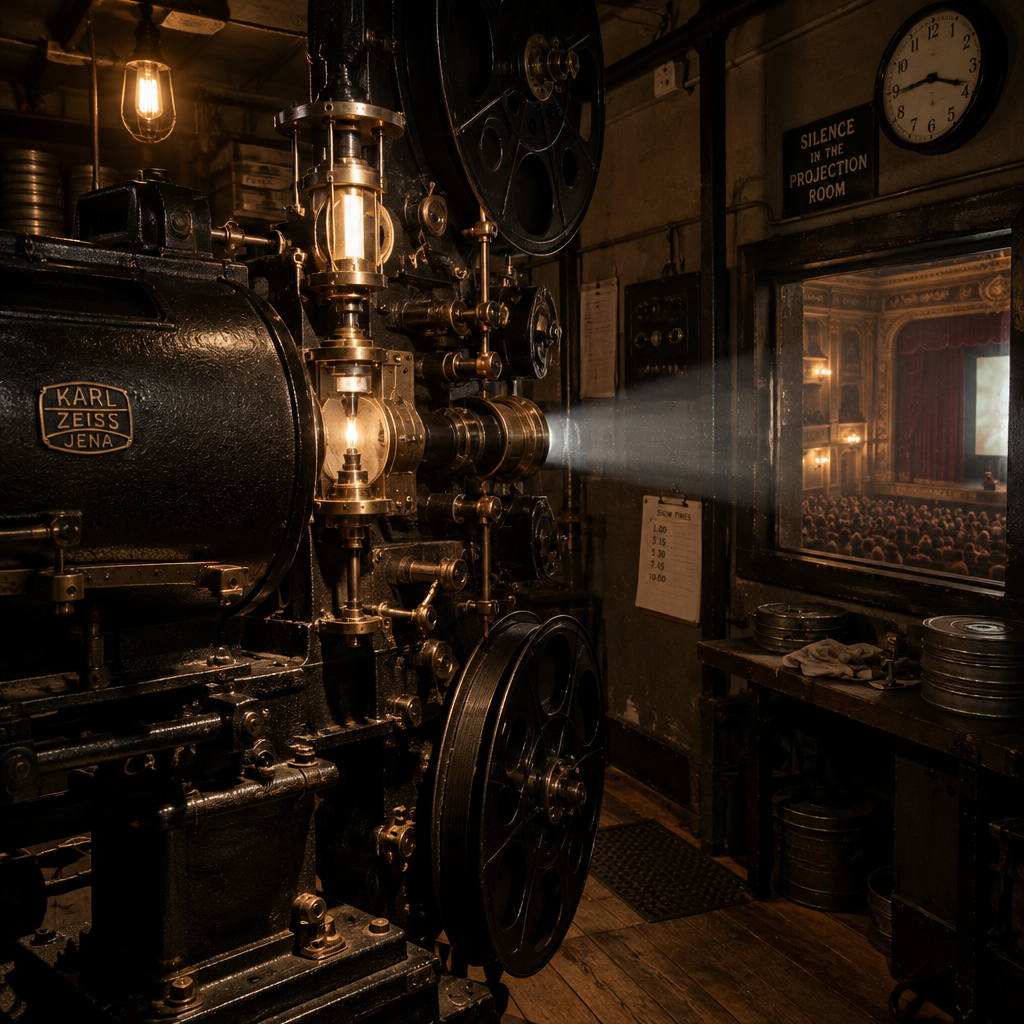
Charles Lewsley’s Projection Box
Under the stewardship of its pioneering first projectionist, Charles Lewsley, hand-cranked silent films flickered to life accompanied by local pianists. Lewsley’s dedication to technical mastery made Somercotes an early cinema powerhouse in the Amber Valley district.
A Working Community Cornerstone
Serving colliers, railwaymen, and textile workers, the theatre became far more than a picture house. It was a democratic hall for newsreels during the Great War, community meetings, and Saturday matinees that shaped generations of Derbyshire life.
“When the arc lamps struck, the dust of the collieries dissolved into silver light on Nottingham Road.”
— Somercotes Heritage Archives Oral History Collection, 1928

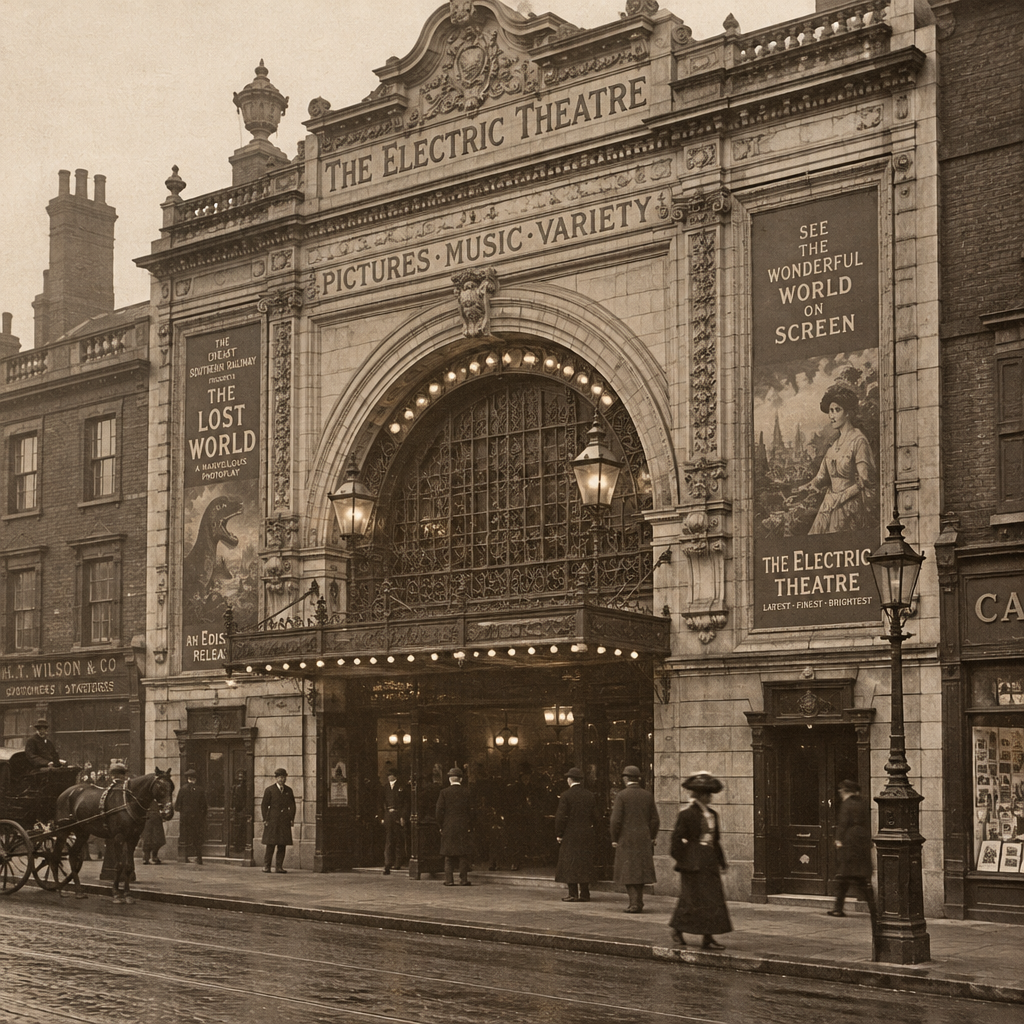
Archival plate ca. 1914: The Premier Electric Theatre exterior at 90 Nottingham Road, Somercotes, showing the Edwardian entrance portal.
Chronicle of the Premier Electric Theatre
1912
The Silent Era Debut
The Premier Electric Theatre opens its doors as a dedicated 300-seat silent cinema in Derbyshire, introducing modern cinematograph entertainment to the local community with live piano accompaniment.
1930
The Great Expansion & Sound Installation
Under the visionary management of George Beastall, the theatre undergoes major architectural reconstruction. Capacity expands to over 1,100 plush seats alongside state-of-the-art Western Electric sound apparatus for 'talkies.'
1954
CinemaScope & Widescreen Innovation
The proscenium is adapted to house panoramic CinemaScope anamorphic projection and directional sound, ushering in the golden mid-century era of widescreen Hollywood spectacles in Derbyshire.
1960
Final Reel & Closure
Following shifts in television broadcasting and local recreational habits, the auditorium projects its final screening, concluding nearly half a century of continuous cinematic service to the county.
Present
Heritage & Community Archive
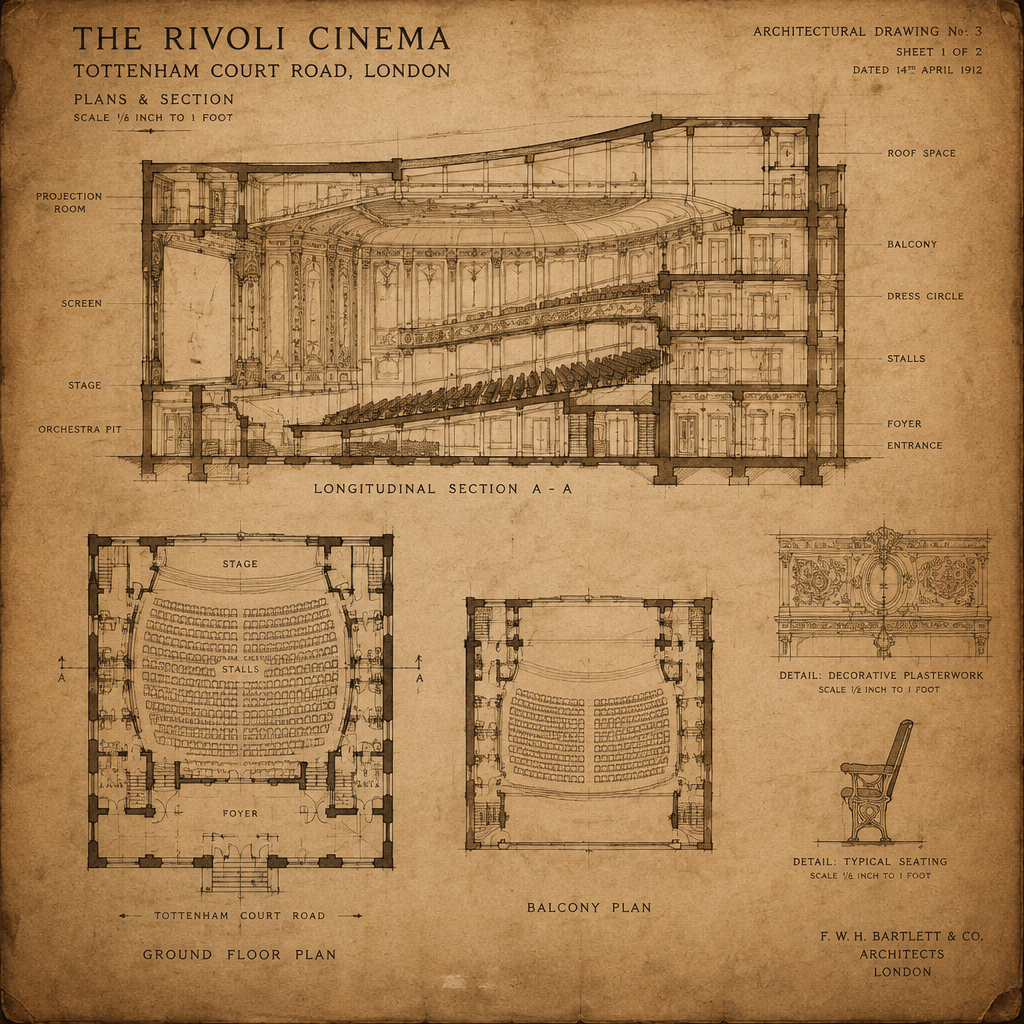
The Premier Electric Theatre Heritage Project preserves oral histories, original architectural blueprints, projection relics, and photographic records to keep the historic cinema's legacy alive.
Archival Collection
Historical Visual Archive
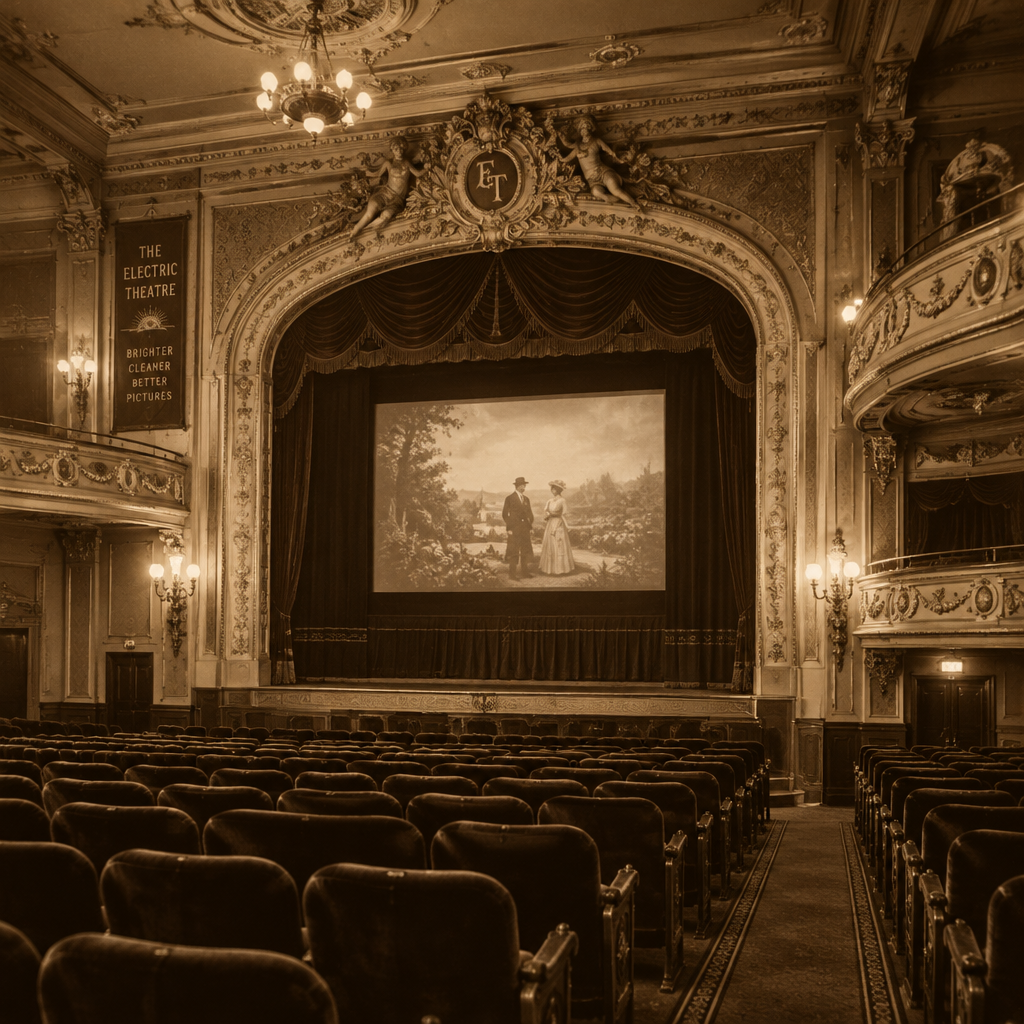
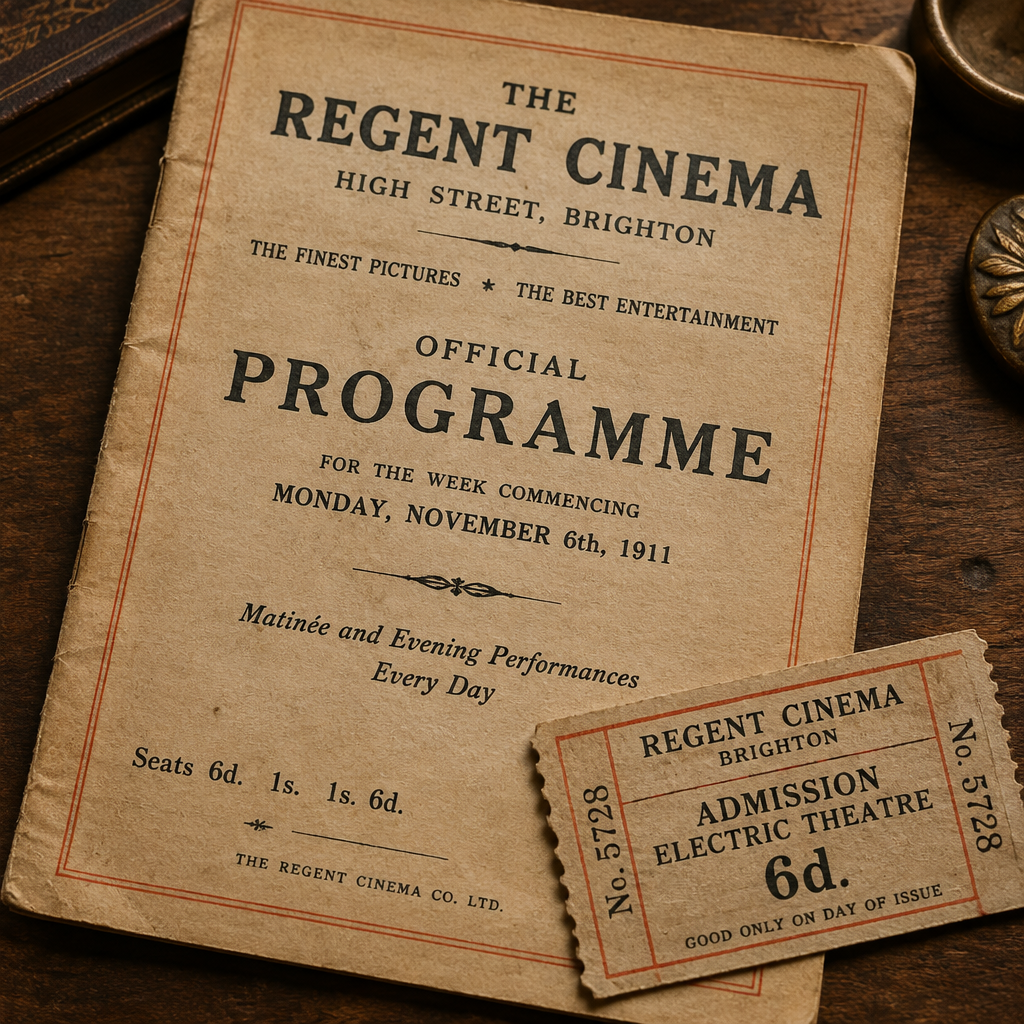
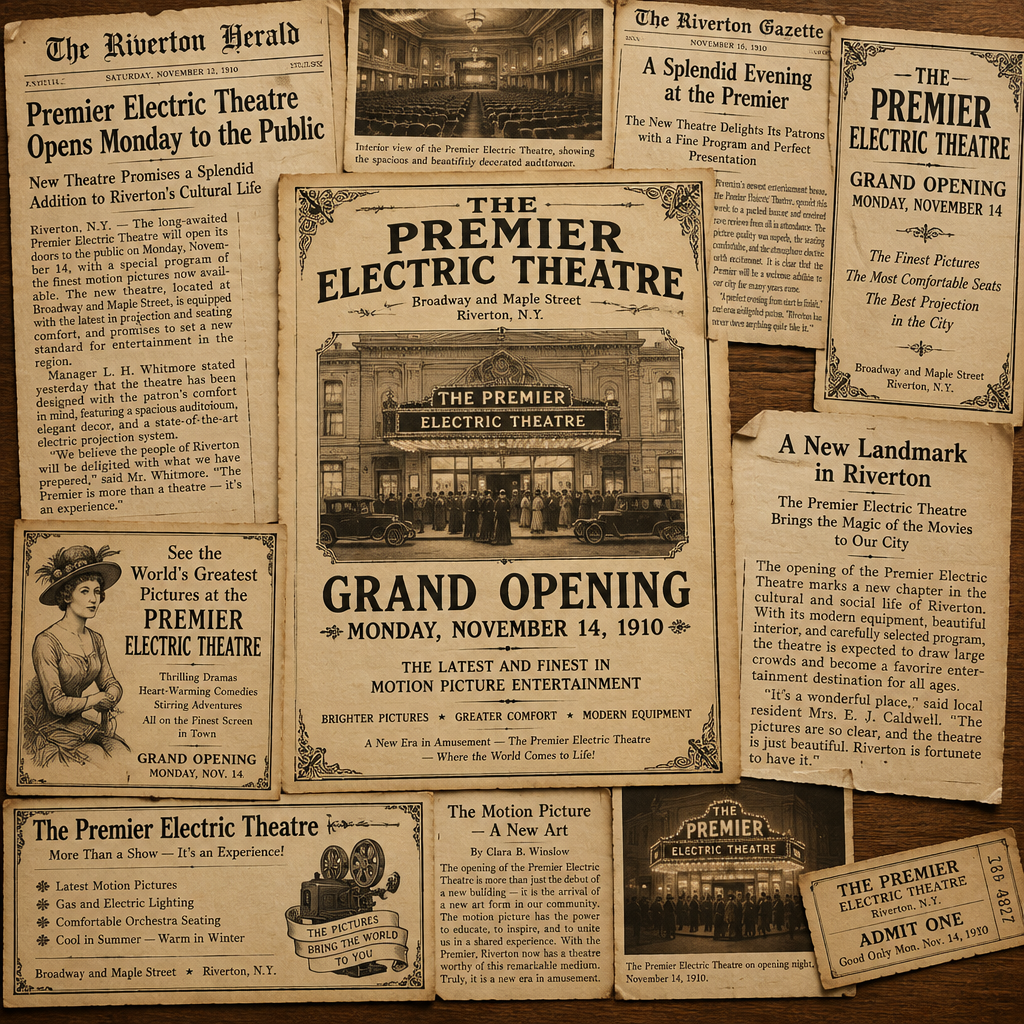
Curated architectural blueprints, historic cinema programmes, auditorium photographs, and newspaper clippings documenting the heritage of The Premier Electric Theatre.